I began my spiritual journey by becoming an atheist. At the time I might have thought what I think many people tend to assume: that atheism is more or less the end to the spiritual and religious question. “So you believe in nothing? Alright then,” they would say. If they were on bilious end of the spectrum of believers, they would try to argue with me–which, as a rebellious teen, was fuel to my fire. But after everyone stopped arguing with me–and really, after I matured enough to stop picking fights–my mind had the space to open back up on the matter.
I’ve stated several times, with tongue firmly planted in cheek, that I am a very religious atheist. Prolonged contact with the question of God kindled my interest in philosophy, science, and religion. I love hearing about what people believe and what it means to them. Everyone has a perspective on these questions of God, meaning, morality, the nature of man, the nature of the universe, etc. They are timeless questions, and they are far from academic. Stories constitute the operating system of our minds, so what could be more important than the grandest stories of our existence?
Starting as an atheist has given me the leeway to read, to learn, to entertain many ideas without mental friction due to notions of “heresy.” The Peripatetic is a wanderer, and I’ve wandered through this conceptual garden, guided only by what is compelling and resonant, whether that be organized religions, philosophy, science, or my own experience.
A while ago, I followed a outdoor YouTuber that spent a good deal of his life hiking. In one video (that I can’t seem to find anymore), he described a mythopoetic capital T “Trail” that he believed in. It was the way he saw the world. At the time it seemed like some hippy stuff like “we’re all walking on the Trail of Life, MAN,” and I scoffed at it, but the idea clearly never left me. I’ve only grown to respect it more and more, and I’ve started to wonder what my “Trail” is.
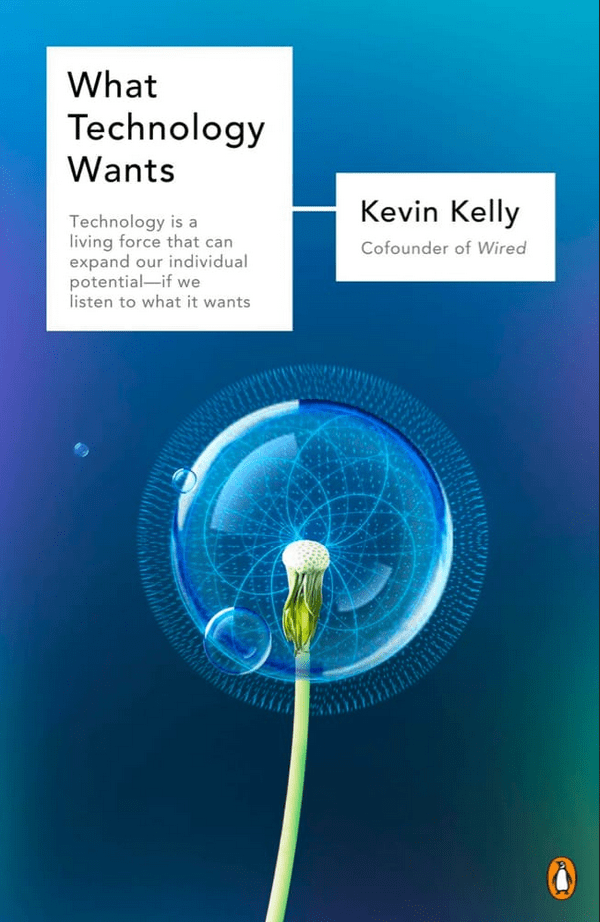
More than a decade into my engineering career, I believe engineering and design have shaped me in ways so fundamental that I’m not even aware of them anymore. I’ve been making things for a long time, and with fatherhood on my horizon, and since I happen to re-reading What Technology Wants, the following idea bubbled up to my mind.
In so many religions, we think of gods as parents. We are God’s children. We’re meant to fear gods, to obey them, to be taught by them, and to wonder at their mystery. We look up to them in heaven, in the same way that we looked up to our parents as children. Imagine that we flip the script: what if God was our child, and we were his parents?
Children don’t understand the world, and parents are supposed to teach them how it works. Parenting is an incredible responsibility. How are parents supposed to prepare children for a world that they themselves don’t fully understand? Who are they to say what is “good”? Yet, parents do it every day. They do their best.
Now imagine God is the collective child of humanity, and we had the same incredible responsibility to teach it to be good. The god-child will grow up and be all-powerful, and the question is: what kind of God do we want?
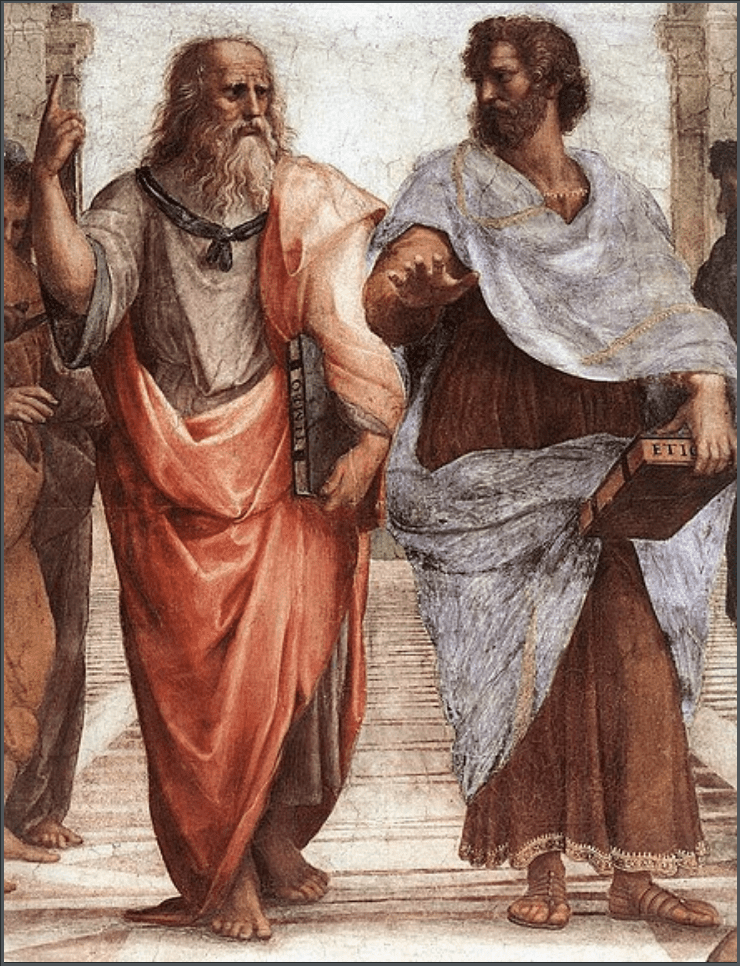
A god-parent prompts us to learn from God, to study his mysterious proclamations and to trust it over our own experience. A god-child prompts us to study our universe and ourselves and to make better and better moral judgment calls.
In our lives, I think there’s a better argument for a god-child paradigm than a god-parent paradigm. We are creating technologies faster than we can culturally adapt to them, and these technologies are becoming decidedly more powerful than us. For example, the internet has been a bombshell on our collective psyche that we still haven’t recovered from. And now there’s the question of artificial intelligence.
The old prophets Alan Turing and John von Neumann once told us that there was a limit to their foresight, a point that they could not see past. They called it the Singularity, a time when our technology entered a positive feedback loop that spiraled out of our control. This is when the god-child becomes an adult and we see what our collective parenting wrought. I’m reminded that the original meaning of the word “apocalypse” was just “revelation” or “uncovering.”
Above all, I am a fan of introspection. Much of my happiness and direction has come from asking myself “what do I want?”, “what do I believe?”, and “who am I?”, and answering honestly. I believe Humanity needs to collectively do the same.
 The Peripatetic
Leave a comment