I’ve been on a journey lately, one of healing and self-discovery.
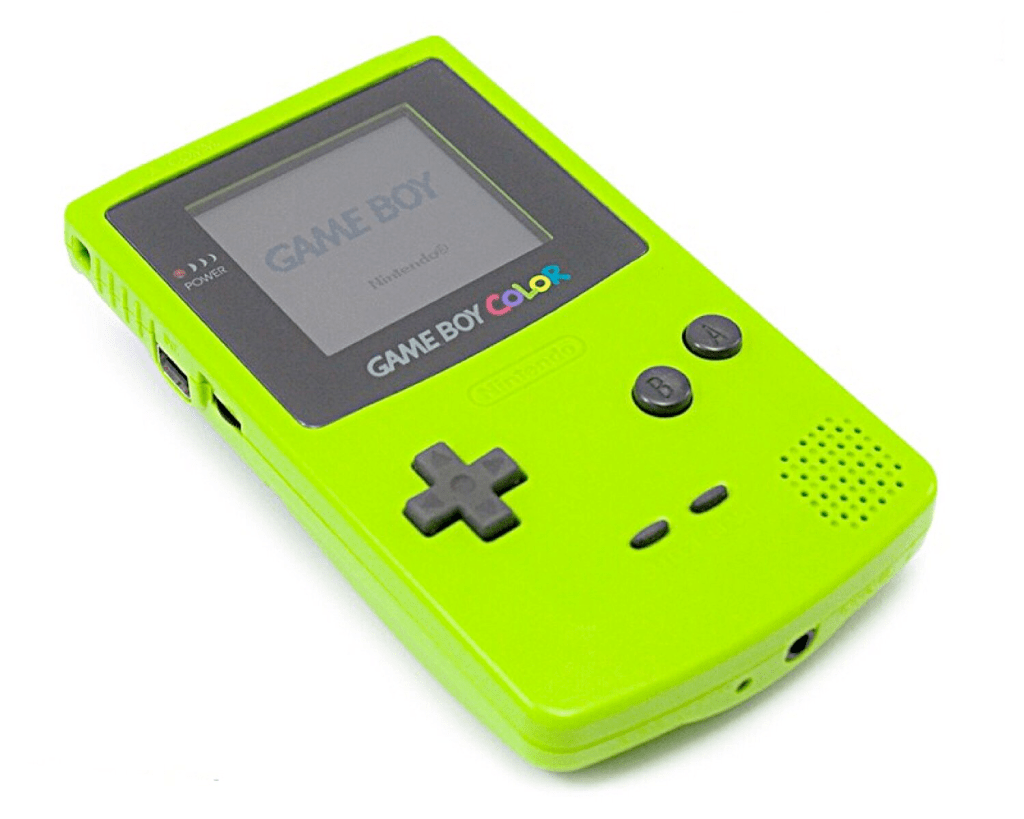
I started playing video games with Pokemon Red Version back in elementary school, and I was a certified Pokemaniac. All the cool kids at the YMCA had Gameboys and we battled and traded Pokemon as much as our caretakers would let us. I would stick with the Pokemon franchise until around Heartgold and Soulsilver versions, then I left it in my childhood.
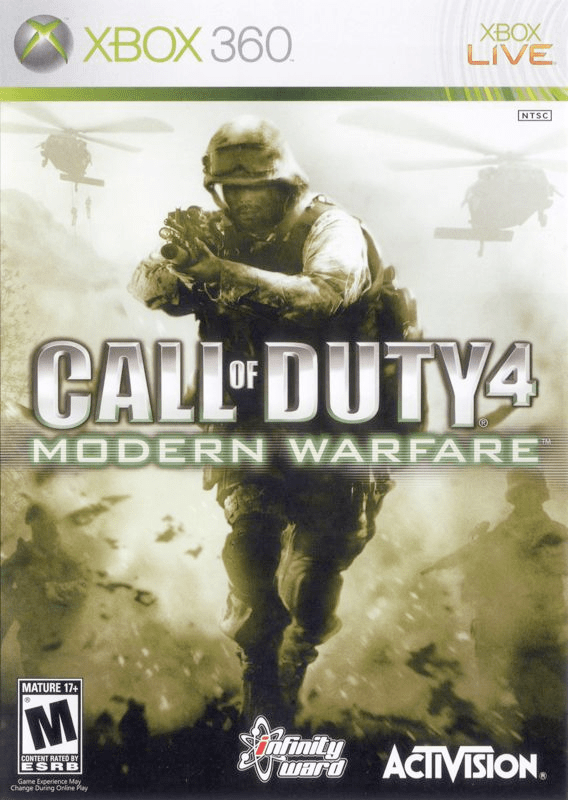
In high school, I got an Xbox 360 and joined the legions of kids playing Call of Duty 4: Modern Warfare and the AAA gaming scene in general. I tried just about everything except sports games which held no appeal at all to me. Titles like Halo and Assassins Creed came into focus here, and of course The Elder Scrolls IV: Oblivion.
In college I had built a PC with a hefty GTX 460SE graphics card. I tried out MOBAs like Dota and League of Legends, I tried TF2 and other high-speed shooters. But The Elder Scrolls V: Skyrim and Dark Souls were introduced at this time, and I realized that I am an RPG gamer at heart.
I played Dungeons and Dragons for the first time near the end of college. I became a Dungeon Master, the guy that writes the story every week and creates the world and runs the game. It’s not a video game, but being a DM is a gateway drug to fantasy writing and game design and a lifetime of daydreaming.
I largely put down the video games for a couple years while I got my career started. But when COVID hit, I thought it was a perfect time to build a new computer and play again. And with more developed writing and roleplaying skills, I had way more fun.
Several life events at once left no time for games, until Elden Ring and Baldur’s Gate 3 came out. These games were both once-in-a-lifetime bombshells for a gamer like me, and them coming out so near to each other left me with an embarrassment of riches that I wouldn’t clear from my system for years (and I foresee myself returning to these games).

So I’ve played a lot of games over many phases of my life. What games mean to me has evolved. I change, and I pick different games, and the games change me.
I’ve felt ashamed of playing games. Of being antisocial. Of being addicted. But most of all, I was of the mistaken belief that adults don’t play games. They don’t have fun, they take care of business. They keep their ducks in a row. And somewhere along the way, I started to experience shame at enjoying anything at all.
Typing that last sentence was… hard to do.
Enter the most-recent phase of my video gaming story. When The Elder Scrolls IV: Oblivion Remastered came out, I went all in. I upgraded my GPU and my monitor. I’ve got a pretty sweet Linux gaming PC setup now. And most importantly, I instituted moratorium on gaming shame. The only rule I have is that I have fun, real fun when I play games. I’m not trying to prove anything, I’m not trying to master games and become an MLG 1337 PRO gamer, and I’m most definitely not hunting for side hustles in my fun.
That’s part of it, the side hustle thing. Millennials and Gen Z don’t have hobbies anymore, and it’s partly because of a perceived pressure to turn our fun into a revenue stream. We can’t just crochet, we have to level your way up to an Etsy shop. We can’t just go bowling, we have to go pro. Perhaps it’s because of social media algorithms putting us in contact with sponsored influencers that endlessly raise the bar and keep you focused on results instead of process.
Fun is about doing things as its own reward. If you find yourself doing things that aren’t fun for a monetary reward, that’s called a job.
So I played Oblivion for a bit. I put about 50 hours into it, which is still $1/hour of entertainment, which is a bargain. Weirdly though, I lost steam halfway through, and I switched to Skyrim. This decision was crucial, because it was part of the deal: if it’s not fun, don’t do it. I don’t need to follow through and finish a game if I’m not enjoying it.
So I switched to Skyrim and I started modding it to my heart’s content. Mods are a huge part of what makes Skyrim so special. I would play the game a bit and come up with ideas for ways to alter the game. Over 50 more hours, I added over 100 mods that improved the combat, the UI, the leveling system, the spells, the perks, the graphics, and the NPCs. Skyrim feels like an open source game that morphs itself to please you. The joke in the community is that “modding IS the game” but I believe the magic of modding is that it keeps you engaged and asking “what do I like and not like about this game?”
But even that got boring, and I didn’t know where to go. No game compelled me. But inspiration visited me in the nick of time. My in-laws had a layover in town as they came back from a vacation, and my father-in-law tasked me with creating a retro gaming setup to entertain guests when we visit. That echoed in my mind a bit as I thought how I would do it.
I have ideas about building a small form factor PC (SFFPC) using my leftover GPU. I can put Linux on it and setup the emulation and the interface. I’ll make it so simple a boomer could do it.
I’ve been playing around with Sunshine and Moonlight game streaming software so I can run the game on my PC and stream it to the TV in the living room. I’ve been checking out neat little retro gaming controllers that I can use.
When I daydream, I think about how I would develop a video game, especially one specifically tailored to a setup like this. Imagine playing something on your phone, but it has the power of a gaming GPU behind it. But there’s a caveat: because it’s streaming over a network, you’re not going to use that power to up the resolution and frame rate. Instead, what if you used that power to run neural network inferences? The possibilities are exciting!
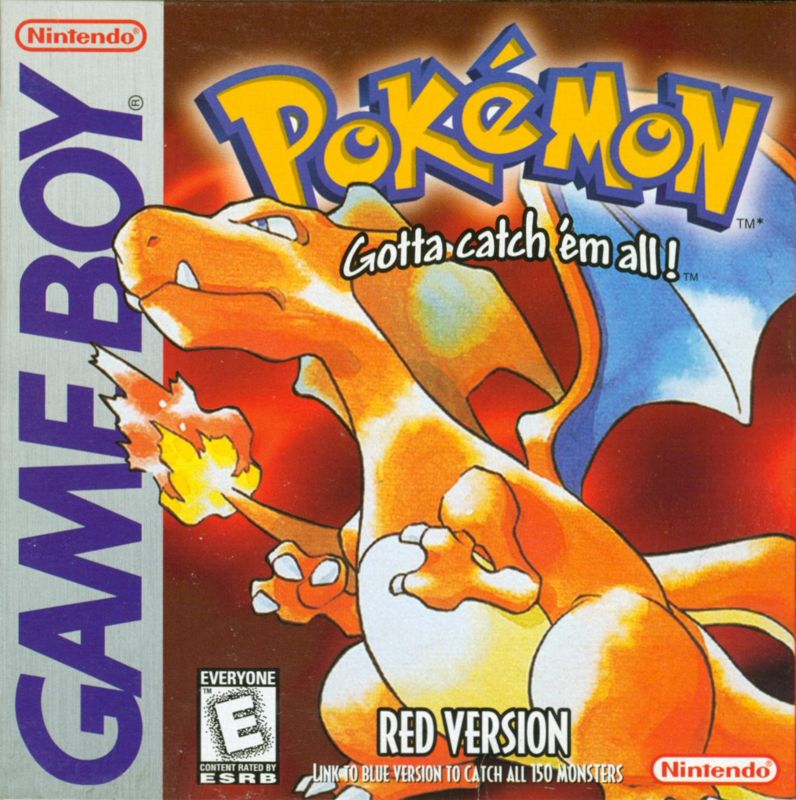
But that’s all just daydreaming, not a goal. I’m still just having fun. These days, I’m connecting with my inner child. I’m playing Pokemon.
 The Peripatetic
Leave a comment